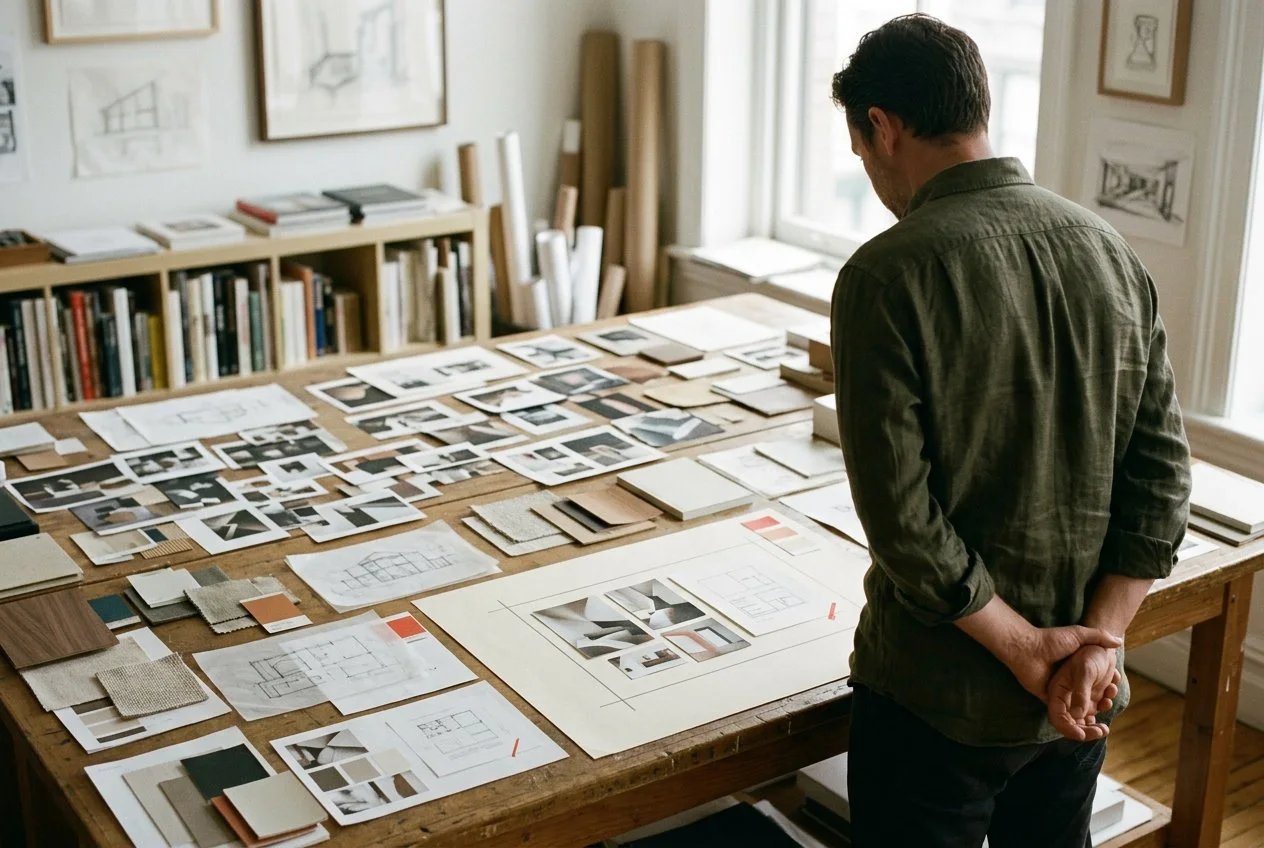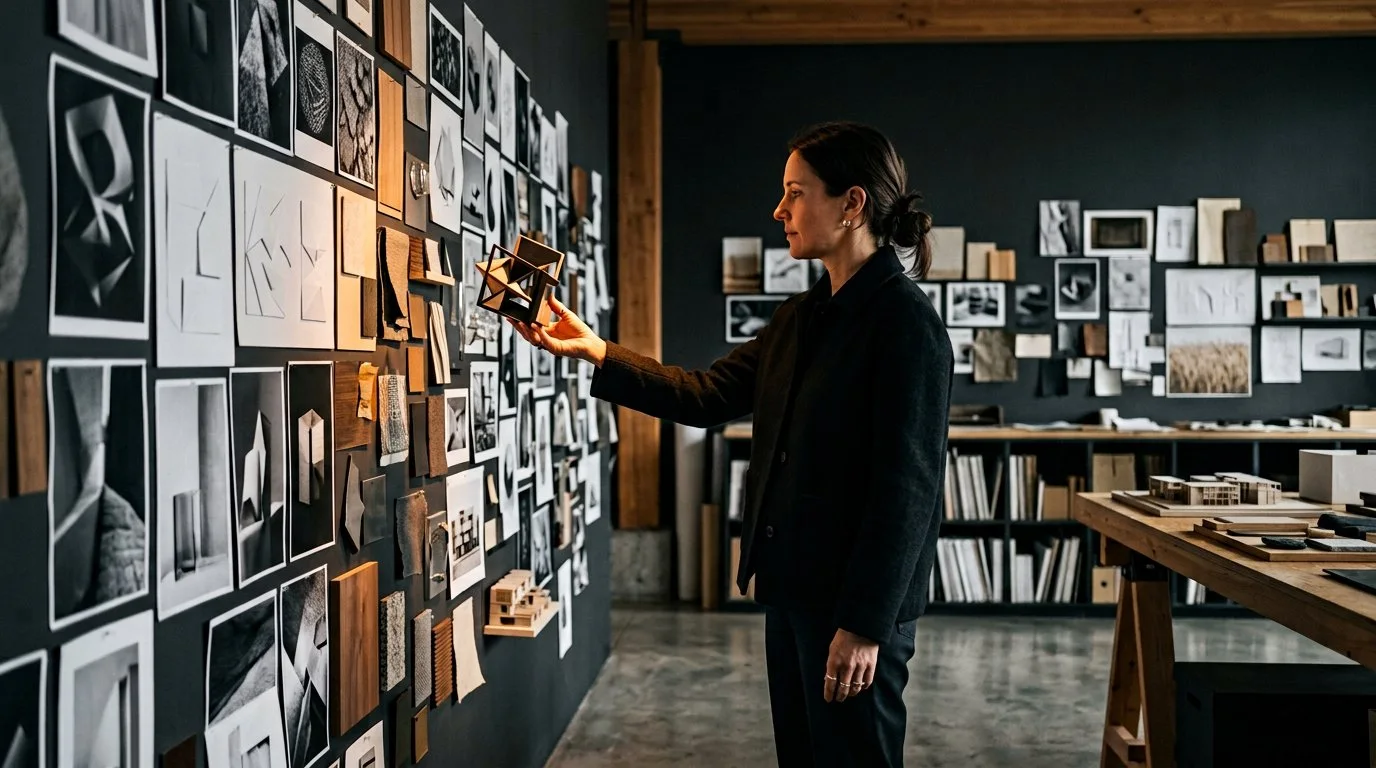
Every few months, the same question returns: is AI going to replace creativity? I think that question is too small.
The conversation is asking the wrong question.
It assumes creativity is the act of producing an image, writing a paragraph, generating a video, designing a screen or creating an animation. It is not. Those are outputs.
Creativity starts earlier: recognising something that does not exist yet; framing a problem differently; connecting unrelated ideas; understanding people; making choices under uncertainty; establishing a point of view; and turning an abstract possibility into something another person can experience.
AI can generate. That does not mean it knows what is worth generating.
I have spent much of my career working at the intersection of design, animation, immersive technology, physical environments, brand systems and emerging technology. One thing has remained consistent: the difficult part is rarely producing the thing. The difficult part is deciding what the thing should be.
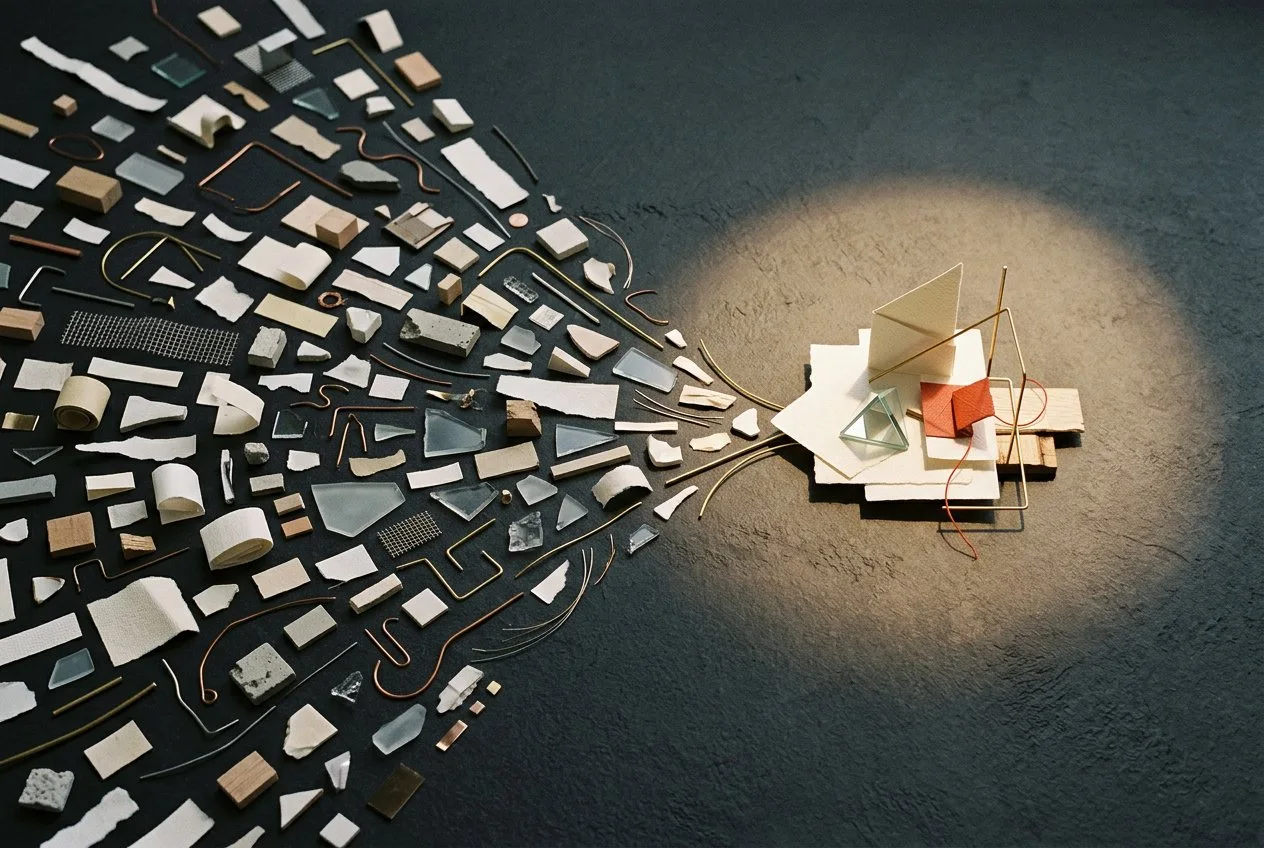
“AI expands the possibility space. Creativity chooses the destination.”
AI made production cheaper. It did not make judgment obsolete.
Creative technology has always changed production. Digital compositing changed filmmaking. 3D changed visualisation. Motion graphics changed communication. Real-time engines changed interactive experiences. XR changed the relationship between physical and digital environments.
AI is another major shift in that progression. But reducing the cost of production is not the same as reducing the need for creative thinking.
AI can help teams explore visual directions, generate early concepts, create variations, analyse information, accelerate research, prototype interactions, produce copy, organise references and automate repetitive production tasks.
That is significant. But when everyone can produce more, production itself becomes less valuable as a differentiator. The question changes from “Can we make it?” to “Should we make it this way — and why should anyone care?”
The Creative Value Shift
As generation becomes abundant, creative value shifts toward intention, direction, curation and judgment.
Production becomes faster. The value of deciding which possibility deserves to survive increases.
The new creative bottleneck.
For decades, creative industries were constrained by expensive equipment, specialist software, large teams, long timelines, technical expertise, post-production and fabrication. The distance between an idea and a finished artefact could be enormous.
AI compresses that distance. A person can now move from thought to exploration, variation and prototype in dramatically less time. The bottleneck moves — first to taste, then judgment, context, meaning and ultimately responsibility.
The machine can increase the number of possibilities. The creative leader decides which possibilities deserve to survive.